UNetbootin Review: Create Linux Live USB Drives
UNetbootin (Universal Netboot Installer) is a free, open-source utility for creating Linux Live USB drives from a supported distribution download or an existing ISO image. It is designed primarily for single-distribution live media rather than managing a multiboot collection. Because the project's latest listed release is old, check the current project page and your distribution's installation guidance before relying on it with a recent ISO or modern hardware.
UNetbootin has builds for Windows, Linux, and macOS, but that does not guarantee every build will run on every current operating-system release. The project's releases page currently identifies version 702 as the latest release; its notes mention macOS 11.1 support, which is not evidence of support for newer macOS versions. Review the official release notes before downloading, and use an installation method recommended by the Linux distribution if UNetbootin cannot boot the image you need.
Unetbootin (Universal Netboot Installer)
What is UNetbootin?
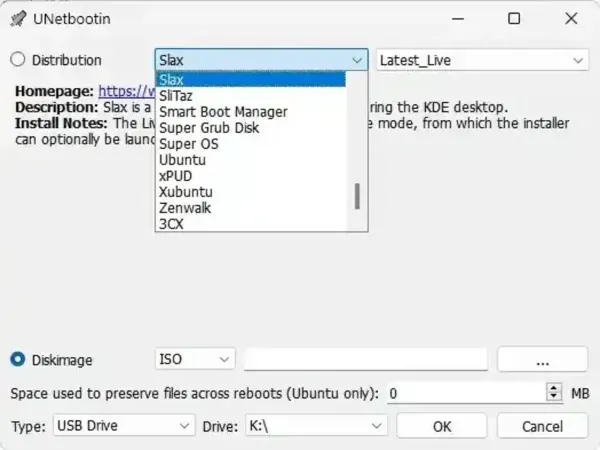
UNetbootin is an open sourced utility developed by Geza Kovacs that allows users to easily create bootable Live USB drives from ISO files. Its main focus is on Linux distributions, making it a great go to solution for creating portable Linux installers or running Linux live environments without making permanent changes to your local system.
🔧 Key Features and Benefits
- Platform availability: Builds have been published for Windows, Linux, and macOS, but compatibility with current operating-system releases is not guaranteed. Check the official release notes for your platform before use.
- Linux distribution support: UNetbootin was designed around Linux Live USB creation, but its built-in distribution list may not reflect current releases. For newer distributions, use an ISO from the project's official website and check compatibility notes.
- Custom ISO Support: Users can load their own ISO files, ideal for advanced users who want to test or boot into custom OS builds.
- User-Friendly Interface: The graphical interface is simple and straightforward. Even new users can follow along without needing command-line experience.
- Persistence: Do not assume persistence is available for every distribution or boot method. Check the selected distribution's current instructions and test the resulting USB before relying on saved changes.
- Portable and Lightweight: The application is small (under 5 MB) and can be run without installation.
- USB drive safety: Boot-media creation can overwrite files or change partitions, depending on the image and method. Back up the USB drive first and verify the target device before writing.
- Distribution downloads: UNetbootin has offered a built-in distribution list, but entries and download links may be outdated. For a current release, download the ISO from the Linux distribution's official website and verify its published checksum when available.
- Free and Open Source: Licensed under GNU GPL, users and developers alike can contribute or fork the project freely.
Limitations: UNetbootin is optimized for booting from Live Linux ISO systems. It does not support multiboot setups (you can only have one bootable distribution at a time), and its compatibility with non Linux OS (like Windows or macOS ISOs) is limited.
UNetbootin Alternatives: YUMI and RUFUS
While UNetbootin works great for single ISO Linux installs, other tools may better suit more complex or performance driven use cases. Two popular alternatives are YUMI and RUFUS.
⚙️ YUMI: Your Universal Multiboot Installer
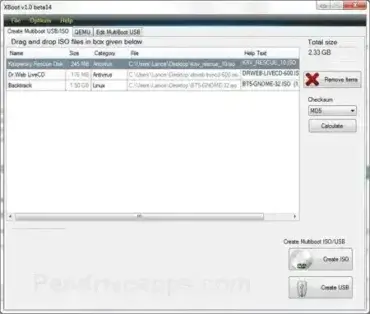
YUMI allows users to load multiple ISOs onto a single USB stick. It supports multibooting Linux distributions, antivirus tools, system utilities, Windows installers, and more. Perfect for power users and IT professionals who need a flexible boot environment.
⚡ RUFUS: Lightning Fast USB Creation
RUFUS focuses on speed and efficiency. It's especially effective for Windows users needing to create bootable USB drives from ISO files quickly. Its interface is minimal, but it excels at tasks like creating Windows installation media or bootable Linux drives with UEFI support.
📊 UNetbootin vs YUMI vs RUFUS
| Feature | UNetbootin | YUMI | RUFUS |
|---|---|---|---|
| Primary Use | Bootable USB for Linux ISOs | Multiboot USB with many tools | Single ISO (Windows or Linux) |
| Multiboot Capable | No | Yes | No |
| Persistence Support | Yes (Linux only) | Yes | No |
| Speed | Moderate | Moderate | Very Fast |
| Platform Support | Windows, Linux, macOS | Windows, Linux | Windows only |
| File System Options | FAT32 | FAT32, NTFS, exFAT | FAT32, NTFS, exFAT |
| Ease of Use | Simple GUI | Feature-rich GUI | Minimalist GUI |
UNetbootin Download and Details
- Official Website: Project Page
- Author: Geza Kovacs
- First Released: October 10, 2007
- File Size: 4.6 MB
- License: GNU GPL (Free and Open Source)
- Platforms: Windows, Linux, and macOS builds have been published; check the official release notes for the supported versions because the latest listed release is old.
- Application Type: Bootable USB creation tool
- Editor's Rating: ★★★★☆ (4 out of 5 stars)
- Download: UNetbootin Download
Final Review Thoughts
UNetbootin remains an option for creating some Linux Live USB drives, but its latest listed release is old and compatibility with current distributions and hardware should not be assumed. If it fails to boot your ISO, consult the distribution's installation guide or consider a maintained alternative such as Rufus for a single boot image or YUMI for a multiboot toolkit. Back up the target USB before writing any boot media.
However, if your needs include multiboot support or ultra fast USB creation for Windows installs, consider using YUMI or RUFUS. Each tool has its strengths, and UNetbootin excels in simplicity and Linux focused functionality.