MP3Tag - Tag Editor
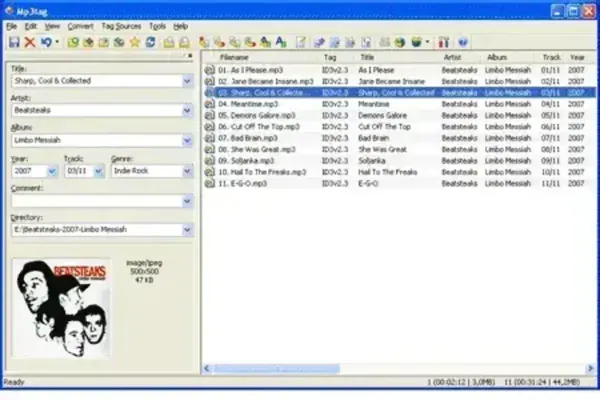
Mp3tag is a free audio metadata editor for organizing music collections. It lets you view and edit the tag information stored in supported audio files, including artist, album, title, track number, year, genre, and other fields. You can edit individual tracks or select groups of files to apply consistent changes across an album or larger collection.
In addition to editing tags, Mp3tag can rename files and folders using information stored in their metadata, or create tags from existing filenames. Its conversion tools can transform tag fields, filenames, and text files, while its online tag sources can retrieve metadata and cover artwork from supported services. These features make it useful when cleaning up inconsistent music libraries, correcting missing information, or preparing files for portable music players and media applications.
Mp3tag supports common formats and tagging systems, including ID3v1, ID3v2, MP4, WMA, Vorbis Comments, and APE tags. It is actively maintained, with version 3.37 released on November 6, 2026. The Windows installer includes a Portable installation option that keeps the program configuration in its own folder, making it suitable for a USB drive. The developer also provides separate builds for current 32-bit and 64-bit Windows systems.
Mp3tag Metadata Tag Editor
Mp3tag Features
- Edit audio tags: Update artist, album, title, track number, genre, year, comments, and other supported metadata fields.
- Batch editing: Select multiple files and apply consistent tag changes to an album or group of tracks.
- Rename files from tags: Create filenames and folder structures using information stored in the audio metadata.
- Create tags from filenames: Extract information from existing filenames and use it to populate tag fields.
- Convert and export: Convert between tag and filename information, generate playlists, and export metadata to text files.
- Online tag sources: Retrieve metadata and cover artwork from supported services such as Discogs and MusicBrainz.
- Cover artwork: Add, edit, and manage embedded album art in supported formats.
- Portable installation: Keep the program and its configuration together in a self-contained folder on removable storage.
How to Make Mp3tag Portable
- Download the current Mp3tag installer from the official website.
- Run the installer and select the Portable installation mode when prompted.
- Choose a folder on your USB flash drive or another removable device.
- Launch Mp3tag from that folder. Its configuration files are stored alongside the program rather than in the normal user AppData location.
If you already have a standard installation, use the installer's documented portable mode to create a self-contained copy instead of relying on an old folder-copy procedure. Test the portable folder on another computer before depending on it for travel or maintenance work.
Supported Audio Formats and Tag Types
Mp3tag works with a wide range of common audio formats, including MP3, MP4/M4A, FLAC, Ogg Vorbis, Opus, WMA, WAV, and other formats supported by the current release. The available tag fields and writing behavior vary by format. When editing files that contain valuable or carefully curated metadata, make a backup before applying batch actions or converting tag types.
Important Tips for Editing Music Tags
Metadata editing changes information stored in the audio file, not the sound recording itself. However, an incorrect batch action can overwrite titles, artist names, album details, or artwork across many files. Start with a small test selection, review the preview where available, and keep a backup of the original music library before making large-scale changes.
Specifications
- Developer: Mp3tag official website
- Version: 3.37 (November 6, 2026; release history)
- Platform: Windows 7, 8, 8.1, 10, and 11; 32-bit and 64-bit builds
- License: Freeware for Windows.
- Editor's Rating: ★★★★☆ (4/5)
- Download: Download Mp3tag. Choose the Windows installer and select Portable mode during setup.