Media Player Classic: Legacy Player and MPC-HC Fork
Media Player Classic (MPC) is a lightweight Windows media player known for its simple interface, inspired by the classic Windows Media Player 6.4. The original project is discontinued, but its design and code base continued through community forks, most notably Media Player Classic - Home Cinema (MPC-HC). The current MPC-HC project is maintained separately and offers updated playback components, format support, and Windows compatibility.
Media Player Classic and Its Modern MPC-HC Fork
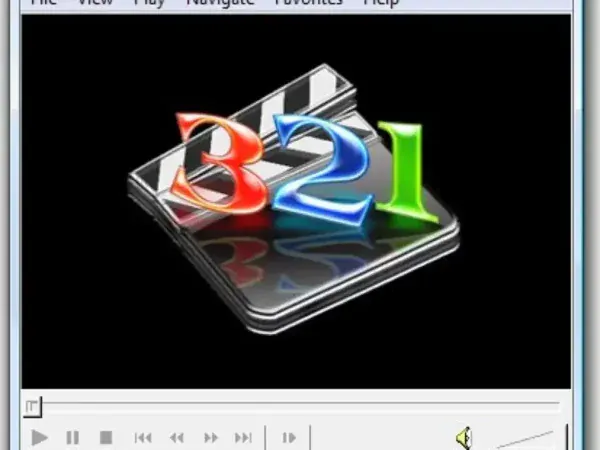
The original Media Player Classic project was a compact player with a familiar Windows-style interface. It became popular because it focused on playing local media without the larger library-management features found in some media suites. The original project is no longer actively developed, so the current download recommendation is the maintained MPC-HC fork rather than an old archive of the original program.
Playback Features in MPC-HC
The community-maintained MPC-HC version retains the lightweight interface while adding modern playback features:
- Audio and video playback: Play common media containers and codecs using the player's internal filters and supported components.
- Subtitle controls: Load subtitle files and adjust timing and display options.
- Hardware-assisted decoding: Use supported GPU decoding options when the hardware, drivers, and selected renderer allow it.
- Customizable controls: Configure keyboard shortcuts, playback settings, toolbars, and file associations.
- Playlists: Queue and organize files for continuous playback.
- Renderer options: Choose supported video output options, including MPC Video Renderer in current releases.
- Remote and URL playback: Open supported media URLs and use optional components such as yt-dlp for some website streams; availability depends on the external component and the site.
MPC-HC includes LAV Filters for many common formats, so a separate third-party codec pack is usually unnecessary. Installing multiple codec packs can introduce conflicts, so add external filters only when you have a specific playback requirement.
Portable Use from a USB Drive
The current MPC-HC GitHub releases include portable ZIP packages as well as installers. To use the portable build, download the ZIP matching your Windows architecture, extract it to a folder on your USB drive, and launch the player executable. Back up the settings file or configuration folder if you customize the player and want to carry those preferences between computers.
A portable player does not make every media file portable. Playback may still depend on codecs, hardware capabilities, graphics drivers, external subtitle files, and permissions on the host computer.
Original MPC, MPC-HC, and MPC-BE Are Different Projects
The original Media Player Classic, MPC-HC, and MPC-BE are related but separate projects. The original MPC code base is discontinued. The MPC-HC project maintained by clsid2 continues development and publishes stable releases and development builds. MPC-BE is another independent fork with its own release cycle and feature set. Download from the project you intend to use rather than assuming that every site labeled "Media Player Classic" provides the same build.
Media Player Classic - Home Cinema Specifications
- Project: Media Player Classic - Home Cinema (MPC-HC), community-maintained fork
- Maintainer: clsid2 and contributors
- Latest stable release listed: 2.8.5 (November 6, 2026)
- License: GNU General Public License v3
- Platform: Windows 7, 8, 8.1, 10, and 11 (project listing)
- Packages: Installer and portable ZIP builds for supported architectures
- Official project site: MPC-HC
- Official releases: MPC-HC releases on GitHub
- Editor's Rating: ★★★★☆ (4/5)
Frequently Asked Questions
Is the original Media Player Classic still maintained?
No. The original project is discontinued. MPC-HC and MPC-BE are separate forks that continued the general Media Player Classic approach.
Is MPC-HC still maintained?
Yes. The clsid2 project publishes stable releases and development builds on GitHub. Choose a stable release for everyday use and check the release notes before updating.
Can I run MPC-HC from a USB flash drive?
Yes. The official releases include portable ZIP packages. Extract the correct build to a USB drive and launch the executable. Keep any custom settings with the portable folder if you want to reuse them.
Do I need to install a separate codec pack?
Usually not. MPC-HC includes LAV Filters for many common audio and video formats. Avoid installing extra codec packs unless a specific format or workflow requires them.
Does MPC-HC support Windows 11?
The current MPC-HC project lists Windows 11 among its supported operating systems. Playback performance and hardware decoding still depend on your graphics hardware, drivers, and media format.
Is Media Player Classic Still Worth Using?
The original Media Player Classic remains an influential lightweight Windows player, but it should be treated as discontinued software. For current use, the maintained MPC-HC fork offers the familiar interface with updated components and active releases. Its portable ZIP package is useful for USB workflows, while its built-in filters cover many everyday playback needs without a separate codec pack. Download the current build from the project's GitHub releases rather than relying on old archives or unofficial repackages.