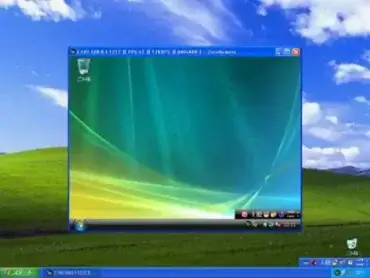
TeamViewer Portable Remote Desktop
TeamViewer Portable is the USB-friendly edition of TeamViewer remote access software. It lets a technician carry the application and its settings on removable storage and provide remote support from a compatible Windows computer without installing the full client. TeamViewer's current documentation states that the Portable edition is intended for customers with Premium, Corporate, or Tensor licences; free personal users should use the standard full client, Host, or QuickSupport module instead.
Remote Desktop Support from a Portable Package
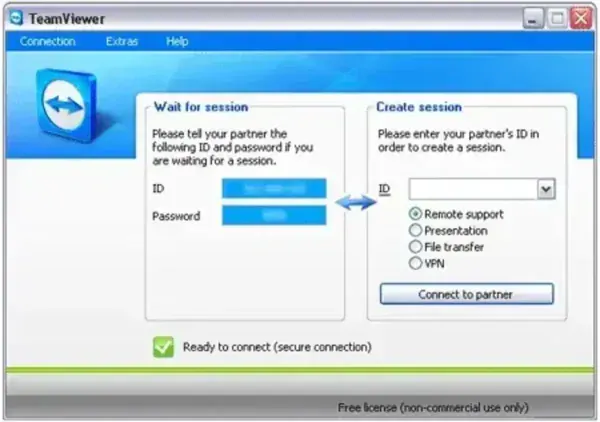
TeamViewer provides remote desktop access, screen sharing, file transfer, and remote support across supported operating systems. The portable package is useful for support staff who work from multiple computers and need to keep their configuration with them. It can be launched from a USB drive on a compatible system without a conventional installation.
TeamViewer can connect through many common firewall and NAT configurations because the client establishes an outbound connection to the service. This is convenient for remote support, but it does not remove the need for authorization. The person receiving support should verify the technician and approve the session before granting access.
Choose the Correct TeamViewer Module
TeamViewer offers different modules for different tasks. The full client is designed for providing support and managing remote connections. QuickSupport is intended for the person receiving help and allows a temporary attended session. Host is used for setting up unattended access to a device. The Portable module is a separate option for licensed customers who need to carry the full client and its settings on removable storage.
The provider states that Portable is available to Premium, Corporate, and Tensor licence holders. Free personal users should use the regular full client, Host, or QuickSupport depending on the situation. Commercial and work-related use requires an appropriate licence, even if the software is launched from a USB drive.
Security and Responsible Remote Access
TeamViewer encrypts remote sessions, but users still need to protect account access and session credentials. Use two-factor authentication, keep the client updated, verify incoming connection requests, and never share a password or one-time session code with an unsolicited caller. Avoid enabling unattended access unless it is needed and secured with a strong password and account protections.
Do not leave a portable copy containing saved credentials on a public or shared computer. Sign out of the account and remove session data when finished. If you suspect that someone has accessed your TeamViewer account without permission, revoke active sessions and change the account password.
Current Version and Licensing
TeamViewer's Windows download portal lists version 15.83.7 as the current release. The official Portable documentation explains the licence requirement and download location. Check the provider's supported-operating-system table before using the client on an older Windows computer. Official TeamViewer downloads and TeamViewer Portable documentation.
TeamViewer Portable Specifications
- Developer: TeamViewer
- Current Windows version: 15.83.7
- License: Portable edition requires Premium, Corporate, or Tensor licence; free personal use is available through other modules
- Platform: Windows; check current support requirements
- Main features: Remote desktop, screen sharing, file transfer, attended and unattended support, account-based device management
- Deployment: Portable ZIP package
- Editor's Rating: ★★★★☆ (4/5)
- Download: Follow the official Portable download instructions
Is TeamViewer Portable Worth Using?
TeamViewer Portable is useful for licensed support technicians who need to carry their remote-support environment between computers. It is not a free portable edition for every personal user, and the current licensing distinction is important. For one-time personal support, use the standard full client or QuickSupport, keep the software updated, and verify every connection request before granting access.